







Homebuyer insurance checklist before completion
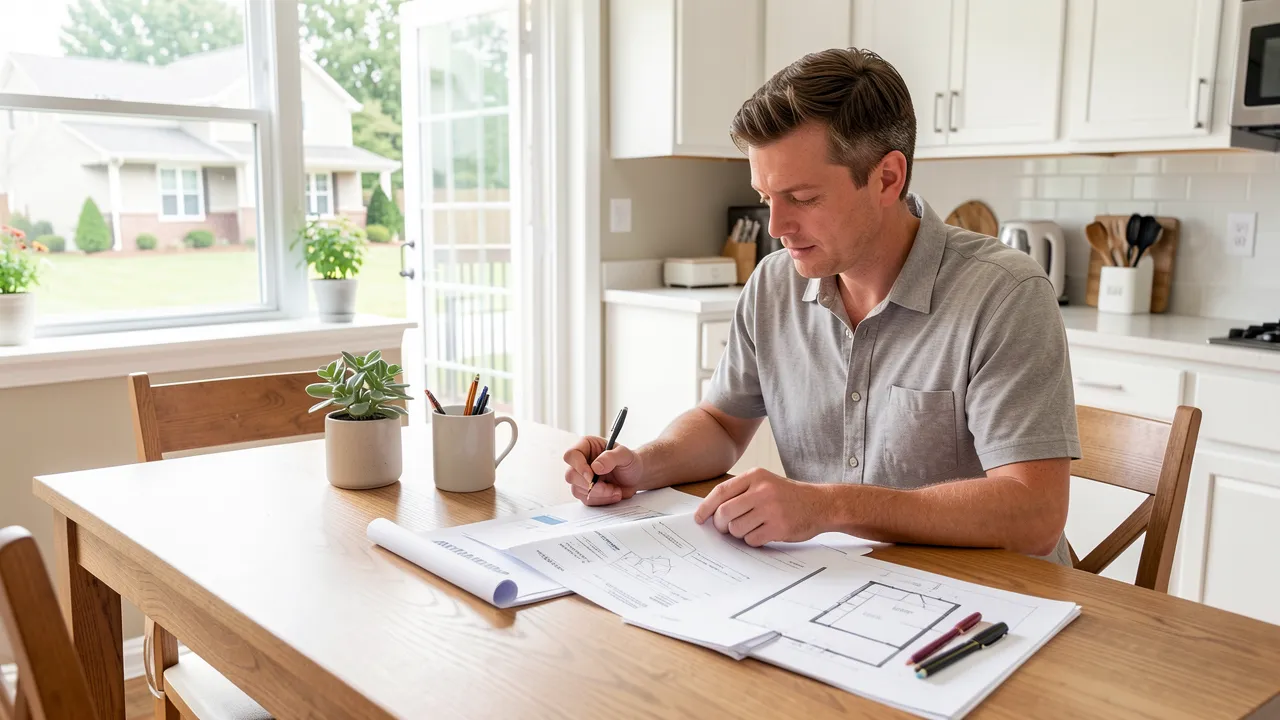
Buying a home is not only a question of price, location and mortgage approval. Before completion, you need a clear view of the risks attached to the building, the land and any work you plan to undertake. A practical homebuyer insurance checklist helps you test whether the property remains affordable after premiums, exclusions, repairs and lender requirements are included in your budget.
Insurance should form part of your purchase decision
Insurance quotes can reveal concerns that a viewing or an advertised price does not. A high premium, a large excess or a refusal to offer cover may point to flood exposure, past subsidence, roof condition, non-standard construction or a history of claims. These signals deserve the same attention as the survey findings and the mortgage offer.
For buyers comparing residential markets, starter-home budgets and long-term investment prospects, insurance is part of the total ownership calculation. Property values, likely renovation spending, energy-efficiency upgrades and recurring household costs all affect the financial case for a purchase. You can find more information on property and personal-finance considerations that can support a wider comparison before you commit to a home.
“A property is only as affordable as the risks you can realistically carry after the keys are handed over.”
Check when buildings insurance must begin
In England and Wales, the buyer commonly becomes responsible for buildings insurance at exchange of contracts, rather than at completion. In Scotland, responsibility often transfers at conclusion of missives, but the contractual position can vary. Ask your solicitor when risk passes under your specific contract and arrange cover from that date.
Your mortgage lender may require buildings insurance as a condition of the loan. The policy should normally cover the full rebuild cost, not the purchase price or mortgage balance. Find the rebuild figure in the mortgage valuation, survey documentation or an independent rebuilding-cost assessment.
Contents insurance usually starts when you move in, although you may want cover earlier if furniture, appliances or personal belongings are placed in the property before completion.
Survey findings can change the cost and availability of cover
A mortgage valuation protects the lender, not you. Commission a survey at a level suited to the age, condition and complexity of the property. A detailed survey can identify issues that affect both the price you offer and the insurance you can obtain.
Pay particular attention to:
- Evidence of subsidence, heave, landslip or structural cracking.
- Previous flooding, nearby watercourses and drainage problems.
- Roof defects, damp, timber decay and outdated electrical systems.
- Non-standard construction, including thatched roofs, flat roofs or concrete-built homes.
- Empty periods, tenant occupation or unoccupied outbuildings.
- Past insurance claims disclosed by the seller.
Do not assume that a standard policy will cover every defect found by a surveyor. Buildings insurance generally covers sudden insured events, such as fire, storm damage or escape of water. It does not usually pay for gradual wear, poor maintenance, existing damp or defective workmanship.
Flood and subsidence require early checks
Flood risk can affect premium levels, excesses and insurer choice. Check public flood maps, ask the seller about previous incidents and inspect the street after heavy rain if possible. Your conveyancer should also order relevant environmental and flood searches.
Subsidence is another issue that merits direct questions. A previous claim does not automatically make a property uninsurable, especially if repairs were completed and a completion certificate is available. However, some insurers may impose higher excesses or refuse new business. Request documentation for any past structural repairs before making an offer.
Renovation plans create insurance gaps that buyers often miss
A lower-priced home may appear attractive because you plan to modernise the kitchen, improve insulation or extend the living space. Yet renovation work can change your insurance needs before the first contractor arrives.
Tell insurers about planned structural changes, roof work, rewiring, underpinning or periods when the property will be unoccupied. Standard home insurance may restrict cover while major works are underway. Depending on the project, you may need renovation insurance, contract works cover, public liability protection or specialist unoccupied-property insurance.
Obtain written confirmation of each contractor’s public liability and employers’ liability cover. For larger projects, ask who insures materials already delivered to site, temporary works and damage caused by tradespeople. Keep a contingency fund separate from your decorating budget, particularly where surveys identify older plumbing, insulation defects or structural uncertainty.
Compare the whole financial picture before completion
An insurance quote should sit beside your mortgage documents, survey report and expected monthly costs. Comparing these documents together helps you avoid choosing a property solely because it fits the lender’s maximum borrowing figure.
Review the following before you exchange contracts or conclude missives:
- The annual premium, policy excess and any flood or subsidence excess.
- The reinstatement value and whether it reflects the surveyor’s advice.
- Policy exclusions for pre-existing damage, vacancy, renovations and high-risk features.
- The mortgage payment, interest-rate changes and product fees.
- Immediate repair costs identified in the survey.
- A contingency reserve for unexpected defects and delayed works.
- Council tax, service charges, ground rent and utility costs where applicable.
If an insurer declines cover, do not simply move to the next comparison result without asking why. The reason may be a data error, but it may also identify a risk that affects resale value, lender appetite or your future maintenance costs. Specialist brokers can sometimes source cover for unusual properties, although the premium and terms may alter the value of the deal.
A careful checklist protects your purchase and your budget
A sound purchase decision combines the condition of the building with the cost of financing and protecting it. Before completion, make sure you have identified when insurance responsibility begins, confirmed the rebuild value, read the survey closely and obtained quotes that reflect the property’s real risks.
Key points to retain include:
- Arrange buildings insurance from the date risk transfers to you.
- Treat survey warnings as financial information, not only repair advice.
- Check flood, subsidence and construction risks before making an unconditional commitment.
- Declare renovation plans and vacancy periods to your insurer.
- Compare premiums, excesses, exclusions and repair reserves alongside mortgage costs.
- Keep written evidence of previous claims, structural repairs and contractor insurance.
By treating insurance as part of real estate due diligence, you give yourself a stronger basis for negotiating, budgeting and protecting your new home from the first day of ownership.