Public liability insurance for pop-up events

Pop-up events offer flexibility, visibility and a lower-commitment way to test an idea, whether you are running a market stall, a temporary café, an exhibition, a workshop or a branded experience. They also create liability exposures that can arise quickly in busy, unfamiliar venues. Public liability insurance helps protect your business or organisation if a third party claims they were injured or their property was damaged because of your activities.
Public liability cover responds to third-party claims
Public liability insurance is designed for claims made by members of the public, clients, visitors, suppliers or venue users. If your pop-up event causes accidental injury or property damage, the policy may cover legal defence costs and compensation, subject to its terms, limits and exclusions.
For example, a visitor may trip over an unsecured cable near your display, or a hot drink served at a temporary kiosk may spill and cause an injury. A claim can involve medical costs, lost earnings, legal fees and compensation. Even where you believe you were not at fault, responding to an allegation can be expensive.
The policy does not normally cover injury to your employees. If you employ staff, even for one day, you may need employers’ liability insurance as well. You should also check whether your policy includes products liability cover if you sell food, drinks, cosmetics, clothing or other goods.
Event organisers operating vehicles or transporting stock should consider how liability protection fits with other policies. Guidance on how to reduce fleet insurance premiums can help when commercial vehicles form part of your event operations.
Venues often set minimum insurance requirements
Many landlords, shopping centres, markets, galleries and local authorities require pop-up operators to hold public liability insurance before granting access. A venue may request a certificate of insurance and specify a minimum indemnity limit, commonly £1 million, £2 million or £5 million.
Read the venue agreement closely. It may place responsibility on you for temporary fixtures, signage, furniture, equipment hire and damage to the premises. Some agreements also require the venue or organiser to be named as an interested party on your documentation.
Ask the venue practical questions before the event:
- Who is responsible for public areas, entrances and emergency exits?
- Are cables, tables, lighting and barriers supplied, or must you provide them?
- Does the venue have restrictions on cooking, alcohol, music or demonstrations?
- Are security, cleaning and first-aid arrangements included?
- Must you provide a risk assessment and method statement?
Community-focused pop-ups may involve volunteers, donated stock and shared spaces. If your event supports a non-profit cause, charity insurance for UK charities and community groups provides useful context on the wider protection a charity or community group may need.
Your activities determine the right policy scope
A simple craft stall has a different risk profile from a mobile food operation, fitness class or product demonstration. When arranging cover, describe your event accurately. Insurers may ask about the venue, expected footfall, duration, number of workers, products sold and any specialist activities.
You should disclose activities that may increase risk, including:
- Food preparation, cooking equipment or hot drinks
- Alcohol sales or tastings
- Children’s activities, workshops or demonstrations
- Use of tools, machinery, heaters or electrical equipment
- Temporary structures, such as gazebos or display stands
- Events held outdoors, near water or in high-footfall public spaces
A policy arranged for retail sales may not automatically cover advice, treatments or hands-on services. A beauty practitioner, fitness instructor or consultant may require professional indemnity or treatment liability cover alongside public liability insurance.
Self-employed professionals should also view liability cover as part of a longer-term business protection plan. Retirement planning for self-employed health professionals in France discusses the value of planning around the risks and financial responsibilities of independent work.
Risk management can reduce the chance of a claim
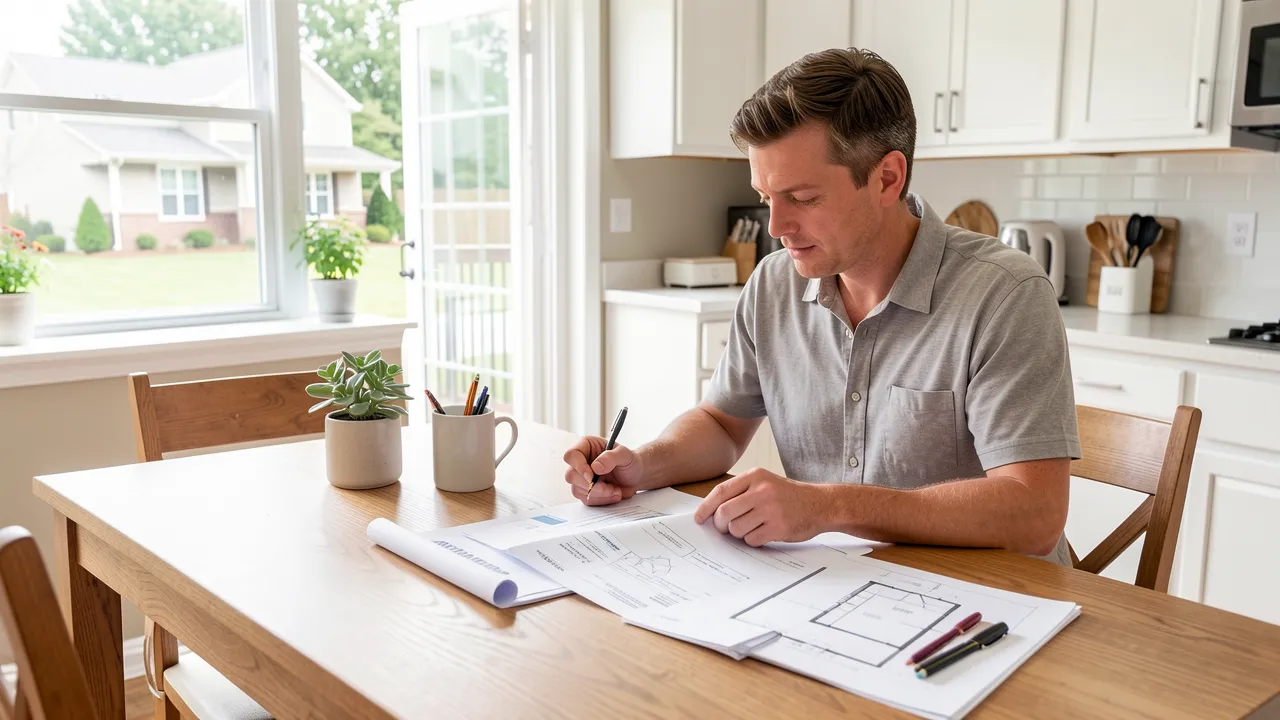
Insurance provides financial protection, but prevention remains a practical priority. A proportionate risk assessment helps you identify foreseeable hazards and assign responsibility before doors open.
Walk through the site when it is set up, rather than relying only on a floor plan. Check that walkways are clear, cables are covered or secured, tables are stable and signs are visible. Keep packaging, spare stock and personal belongings away from customer areas. If you serve food, maintain suitable hygiene, allergen information and temperature controls.
For outdoor events, consider rain, wind and uneven ground. A gazebo or freestanding sign that is safe in calm conditions can become hazardous in poor weather. Establish a clear procedure for stopping activities or closing the stand when conditions deteriorate.
If you hire equipment, inspect it on arrival and retain relevant paperwork. Where contractors provide electrical installations, staging or temporary structures, request evidence of their insurance and safety checks.
Documentation supports a smoother insurance process
Keep a concise event file containing your venue agreement, risk assessment, insurance certificate, supplier details and incident procedure. Brief staff and volunteers before the event, especially on emergency exits, accident reporting and when to contact the venue manager.
If an incident occurs, record the facts promptly. Take photographs where appropriate, note the time and location, preserve relevant CCTV information and collect contact details for witnesses. Do not admit liability at the scene. Notify your insurer or broker in line with the policy conditions, even if no formal claim has yet arrived.
For pop-ups connected with property viewings, launches or temporary occupation, timing also matters. The homebuyer insurance checklist before completion highlights why insurance responsibilities should be clear before a property-related commitment takes effect.
A well-insured pop-up can trade with greater confidence
Public liability insurance is a sensible foundation for temporary events that welcome customers or other visitors. The right arrangement depends on what you do, where you operate and the conditions imposed by your venue.
Key points to carry forward are:
- Public liability insurance can cover claims for accidental third-party injury or property damage.
- Venue contracts may specify a required indemnity limit and supporting documentation.
- Your insurer needs an accurate description of your activities, products and event format.
- Risk assessments, safe layouts and staff briefings reduce avoidable incidents.
- Keep records and report potential claims promptly under your policy terms.