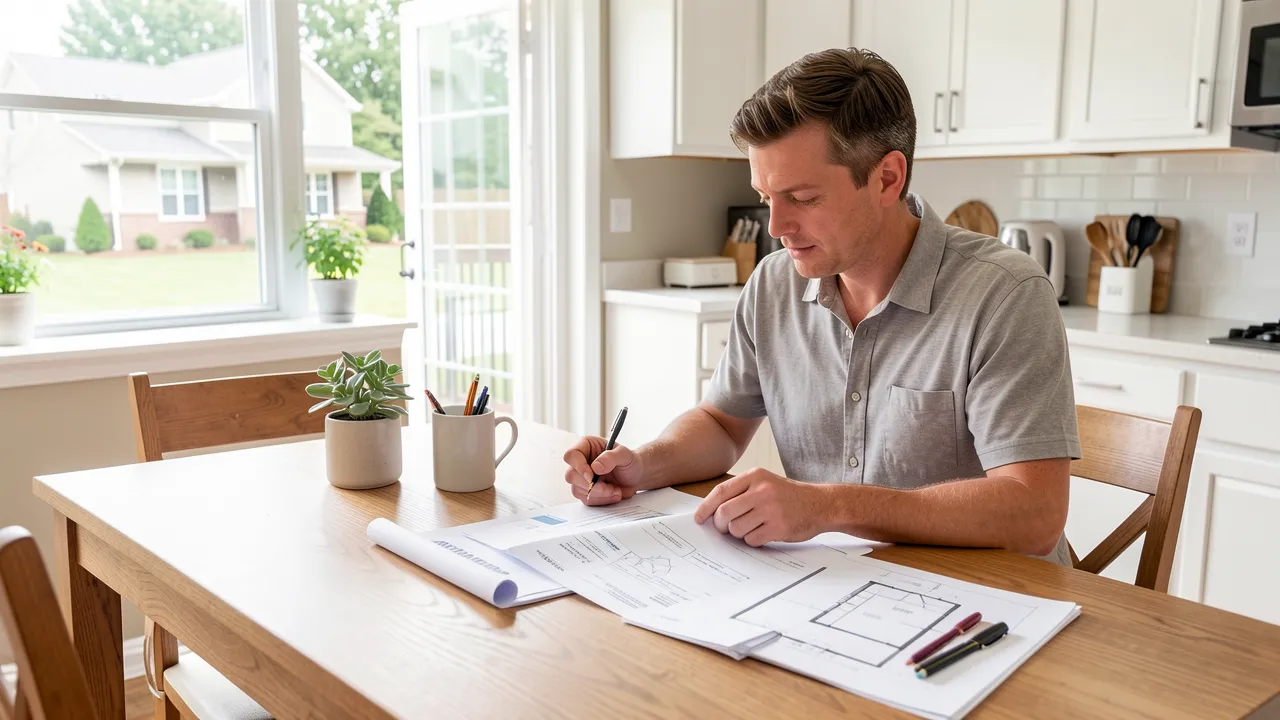







Workplace environment risk audit for SMEs

A workplace environment is more than a backdrop for daily tasks. For a small or medium-sized enterprise, it can influence attendance, concentration, client confidence, legal exposure and the ability to keep operating after an incident. A blocked walkway, a neglected air-conditioning unit or an unclear visitor procedure may seem minor until they trigger injury, disruption or a complaint. A structured workplace environment risk audit helps you identify these exposures early and direct resources towards the improvements with the strongest practical effect.
Workplace conditions can create everyday business risks
The physical layout of your premises affects how people move, work and respond to unexpected events. Crowded circulation routes, loose cables, poor lighting and unsuitable storage can lead to slips, trips, collisions or delayed evacuation. In offices, risks also arise from workstation setups that encourage poor posture, screen glare, excessive noise or inadequate ventilation.
Shared spaces deserve the same attention as desks and meeting rooms. Kitchens, washrooms, reception areas, staircases and loading zones are used by different people throughout the day, often without a clear owner responsible for their condition. Spilled liquids, overloaded sockets, faulty appliances and poorly labelled cleaning chemicals can create immediate hazards.
The insurance perspective is useful because it connects prevention with financial exposure. Resources such as https://www.passado.fr/ place risk management alongside subjects such as liability, property damage, claims and business protection. Insurance may help respond to covered losses after an event, but it does not replace safe premises, documented controls or prompt maintenance. A strong record of inspections and corrective actions can also support clearer discussions with insurers, brokers and loss adjusters if an incident occurs.
“The most manageable risk is the one identified before it interrupts the working day.”
A practical audit should cover people, premises and processes
A useful audit does not require an overly complex system. Start by walking through the workplace at different times of day, including busy arrival periods, lunch breaks and visitor appointments. Speak with employees who use each space regularly, since they often notice recurring problems that managers may not see.
Review workstation health and employee wellbeing
Workstations should allow staff to work without unnecessary physical strain. Check whether chairs are adjustable, monitors are positioned at a comfortable height and keyboards, mice and telephones can be used without awkward reaching. Remote and hybrid workers also require proportionate guidance, particularly when they work from home for extended periods.
Employee wellbeing includes environmental factors that affect concentration and morale. Excessive heat, poor indoor air quality, persistent noise and inadequate lighting can reduce performance even where no immediate injury is likely. Consider whether quiet areas, meeting rooms and shared desks are used in ways that support focused work and reasonable privacy.
Inspect facilities and building maintenance
Commercial property risks often build gradually. Look for water stains, damp smells, cracked flooring, damaged handrails, blocked fire exits, malfunctioning doors and signs of electrical wear. A leaking pipe can damage equipment and records. A door that does not close properly can create a security weakness or delay an emergency response.
Maintain a schedule for routine checks of alarms, extinguishers, emergency lighting, heating and cooling systems, plumbing, electrical installations and lifts where applicable. Your landlord may hold responsibility for certain repairs, but your organisation still needs a clear process for reporting faults and following up until they are resolved.
Assess visitor safety and access controls
Visitors may be unfamiliar with the site and less able to recognise hazards. Reception arrangements should make it clear where guests enter, wait and go next. Use sign-in procedures where appropriate, provide temporary identification for larger sites and ensure visitors know who is responsible for them.
Review access to restricted rooms, storage areas, server spaces and loading zones. Unauthorised access can create safety, confidentiality and security concerns at once. Emergency instructions should be visible and understandable for visitors, contractors and delivery personnel, not only permanent staff.
Observations need to become accountable actions
An audit has limited value if concerns remain as informal notes. Record each observation in a simple risk register that includes the location, hazard, people affected, current controls, recommended action, responsible person and target completion date. Add a priority rating based on the likely severity of harm and the likelihood of occurrence.
For example, a frayed power cable beside a desk may require immediate removal and replacement. A congested storage area may need a short-term clear-out, followed by a longer-term review of storage capacity and delivery procedures. Separate urgent controls from improvements that need budgeting or landlord approval.
Clear ownership prevents known risks from becoming forgotten risks. Schedule follow-up checks and retain evidence such as maintenance invoices, photographs, training records and communications with contractors. These records demonstrate that your organisation has taken reasonable, ongoing steps to manage the workplace.
Continuity planning should reflect the condition of the premises
Business continuity planning is often associated with cyber incidents, but premises-related disruption can be equally damaging. Water damage, fire, power failure, access restrictions or a serious workplace accident may prevent staff from using the site for days or weeks.
Identify which activities depend on the premises and which can continue elsewhere. You may need arrangements for remote working, alternative meeting locations, cloud access to essential documents, emergency contact lists and supplier communications. Consider the impact on customers if reception, phone systems, stock, records or specialist equipment become unavailable.
Test practical scenarios with relevant staff. If the office is closed unexpectedly at 8 a.m., who informs employees? Who contacts clients with scheduled appointments? Where are critical keys, contacts and safety documents stored? A workable plan assigns people, actions and backup options before pressure builds.
Regular reviews make workplace risk management more reliable
A workplace audit should be repeated after significant changes, such as moving premises, expanding the team, introducing equipment, changing layouts or welcoming more visitors. Even without major change, quarterly visual checks and an annual structured review can keep issues visible.
Key points to retain from your audit process include:
- Inspect layouts, workstations, shared areas and circulation routes for hazards that affect staff and visitors.
- Keep maintenance schedules for building systems, electrical equipment and emergency provisions.
- Record findings in a risk register with deadlines, owners and evidence of completed actions.
- Clarify responsibilities between your business, landlords, contractors and facilities providers.
- Include premises failures in your business continuity planning.
- Treat insurance as part of financial protection, not as a substitute for prevention.
Strengthen your SME workplace risk management before disruption occurs
A safer, better managed workplace supports reliable operations as well as employee confidence and visitor experience. By reviewing physical conditions, documenting actions and testing continuity arrangements, you give your SME a stronger basis for controlling avoidable losses. Regular attention to small defects and unclear processes can protect people, property and the continuity of the business when conditions change unexpectedly.