Insuring a Baie de Somme holiday let: risks owners must plan for
A holiday let in the Baie de Somme can combine personal enjoyment with seasonal income, but a coastal location brings exposures that require careful planning before completion. Buyers should assess more than expected occupancy and nightly rates. Water movement, storm damage, building condition, local rental rules and guest safety can affect both the property’s long-term value and its ability to trade reliably. Insurance supports risk management, but it does not replace informed buying, routine maintenance or truthful declarations to an insurer.
A purchase review should start with the property’s local setting
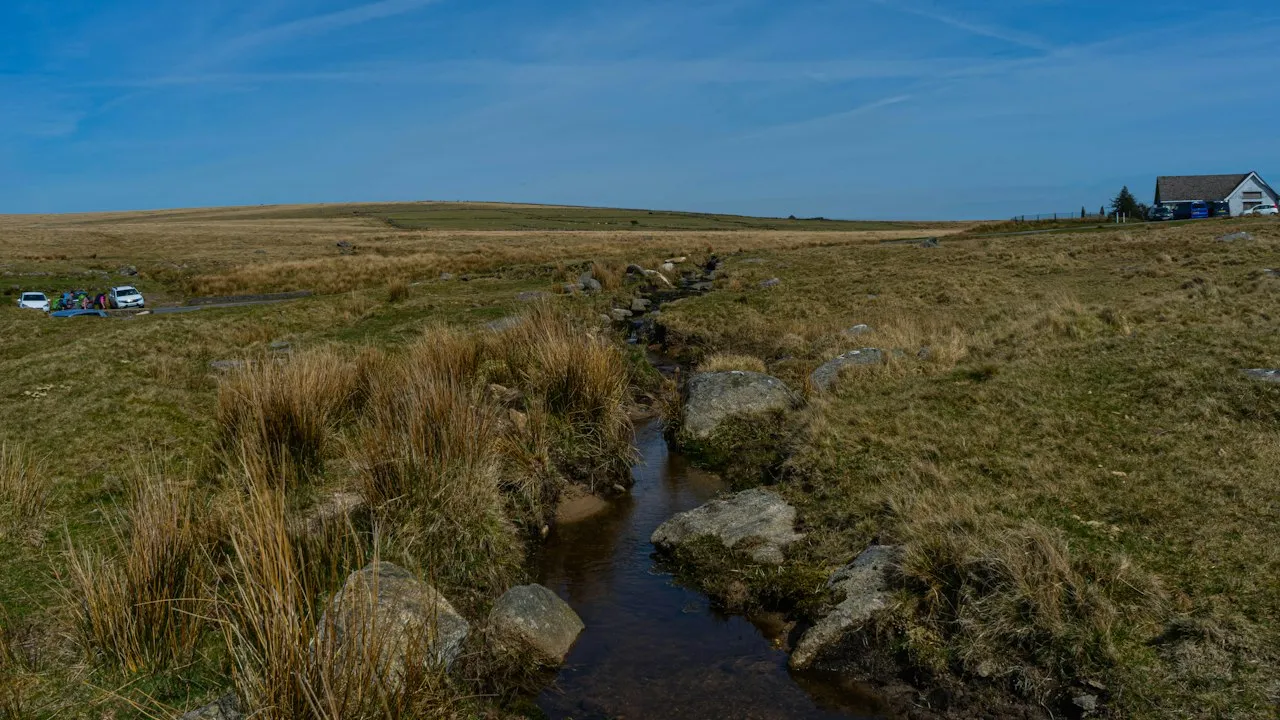
The Baie de Somme includes sought-after villages, coastal landscapes and properties with varied exposure to wind, driving rain, tidal conditions and surface-water runoff. A home close to marshland, a watercourse or low-lying ground may face different risks from a property set back on higher terrain. Before making an offer, you should review available risk information, inspect the plot after rainfall where possible, and ask about past water ingress.
For local guidance on buying, co-ownership, acquisition costs and seasonal property considerations, www.coteetbaieimmobilier.com provides practical information focused on real estate in the Baie de Somme. Its property-oriented resources can help you frame questions about flood-prone locations, local market conditions and the implications of owning a second home or rental. Such research is useful when comparing homes that may appear similar in price but have very different operating constraints.
Ask the seller for maintenance invoices, previous repair records and details of any insurance claims. Examine gutters, downpipes, roof junctions, external drainage, paving levels and the condition of shutters and windows. A charming period cottage may need substantial preventive work before it can safely welcome paying guests throughout the season.
Flood and runoff exposure need specific investigation
Flood risk is not limited to direct coastal inundation. Heavy rain can overwhelm drains, water can run down sloping land, and poorly maintained gutters can direct water toward walls or foundations. Check whether the property has a history of damp, standing water, cellar flooding or damaged floor finishes.
You should also establish whether local planning or risk-prevention rules could limit rebuilding, alterations or future extensions. If the house depends on a septic system, pump or private drainage arrangement, assess its condition and maintenance schedule. These elements may influence insurability, repair costs and the reliability of the rental operation.
Holiday-let insurance should match the way you use the property
A standard second-home policy may not automatically reflect short-term commercial letting. When requesting quotations or reviewing an existing policy, describe the property’s use accurately: the number of weeks let, maximum occupancy, whether you live there part of the year, and any services or amenities offered to guests.
Accurate disclosure protects your position when a claim is assessed. Insurers commonly distinguish between owner occupation, occasional holiday letting and professionally managed short-term rentals. If you employ a cleaner, caretaker or management company, clarify where responsibilities sit and whether their own insurance is in place.
Cover varies by insurer and policy wording, but owners commonly review the following areas:
-
Buildings and contents protection: Check that the sum insured reflects rebuild costs rather than market value. Coastal weather can expose roofs, chimneys, fences, gates and outdoor furniture to wind damage. Contents cover should reflect guest-use items such as appliances, televisions, bicycles, garden equipment and furnishings, while policy conditions may set security requirements for unoccupied periods.
-
Public and property-owner liability: A guest may allege injury after slipping on wet decking, falling on uneven steps or being hurt by defective equipment. Liability cover can respond in defined circumstances, yet prevention remains your first line of defence. Handrails, non-slip surfaces, adequate lighting and documented inspections can reduce the likelihood of an incident.
-
Loss of rental income: Some policies offer cover when insured damage makes the property uninhabitable and bookings must be cancelled. Review the qualifying events, indemnity period, exclusions and evidence required. A blocked drain or gradual damp problem may not be treated in the same way as sudden storm damage.
-
Alternative accommodation and emergency costs: If guests cannot remain safely in the home following an insured event, costs can arise quickly. Understand whether the policy includes emergency accommodation, leak detection, debris removal or access to approved contractors, and whether limits are sufficient for peak summer dates.
-
Legal and assistance services: Disputes with contractors, neighbours or guests can consume time and money. Legal-expenses options and emergency helplines may be useful, but you should read the scope carefully rather than assuming every disagreement will be covered.
Daily management can prevent claims and protect bookings
The most expensive disruption is often a preventable one. A holiday let changes hands frequently, so small defects can become serious between guest stays. A documented maintenance routine helps protect visitors, supports insurance discussions and reduces cancellation risk.
Create checklists for cleaning teams and property managers. They should report loose tiles, damaged locks, damp patches, cracked paving, malfunctioning smoke alarms and signs of pests immediately. Keep dated photographs, invoices, contractor reports and correspondence in one accessible file. If water enters the property, record the source, affected rooms and mitigation steps before repairs obscure the evidence.
Guest communication matters as well. Provide clear arrival instructions, emergency contacts, appliance guidance, rubbish arrangements and safety information. If the property has stairs, a wood burner, a hot tub, a pool or direct access to a garden pond, give specific instructions and inspect the relevant features between bookings.
A disciplined pre-purchase checklist reduces avoidable surprises
Before committing to a Baie de Somme holiday-let investment, you can use the following review points:
-
Verify the physical condition of the building. Commission surveys suited to the home’s age and construction, then budget for roof work, drainage improvements, insulation, ventilation and electrical upgrades. Do not base your decision solely on decorative condition or high-season photographs.
-
Model income conservatively. Allow for quieter months, cleaning, linen, platform fees, management charges, repairs, insurance, utilities and local taxes. A property that performs well in July and August may have a very different financial profile across a full year.
-
Check local and contractual restrictions. Review co-ownership rules, planning constraints and any local registration or declaration requirements that may apply to furnished holiday accommodation. Obtain written confirmation where uncertainty exists.
-
Arrange insurance before exchange or completion where possible. Share the survey findings and intended rental use with insurers or brokers. Compare exclusions, excesses, security conditions and water-damage provisions, rather than choosing on premium alone.
Protecting a Baie de Somme holiday let starts before completion
A successful coastal rental begins with a property that is suitable for its location, well maintained and managed with guests in mind. Flood awareness, robust maintenance and correctly structured insurance can help you limit disruption when weather, water damage or liability issues arise. By investigating the building and its surroundings before purchase, you give your Baie de Somme investment a stronger foundation for dependable seasonal letting.